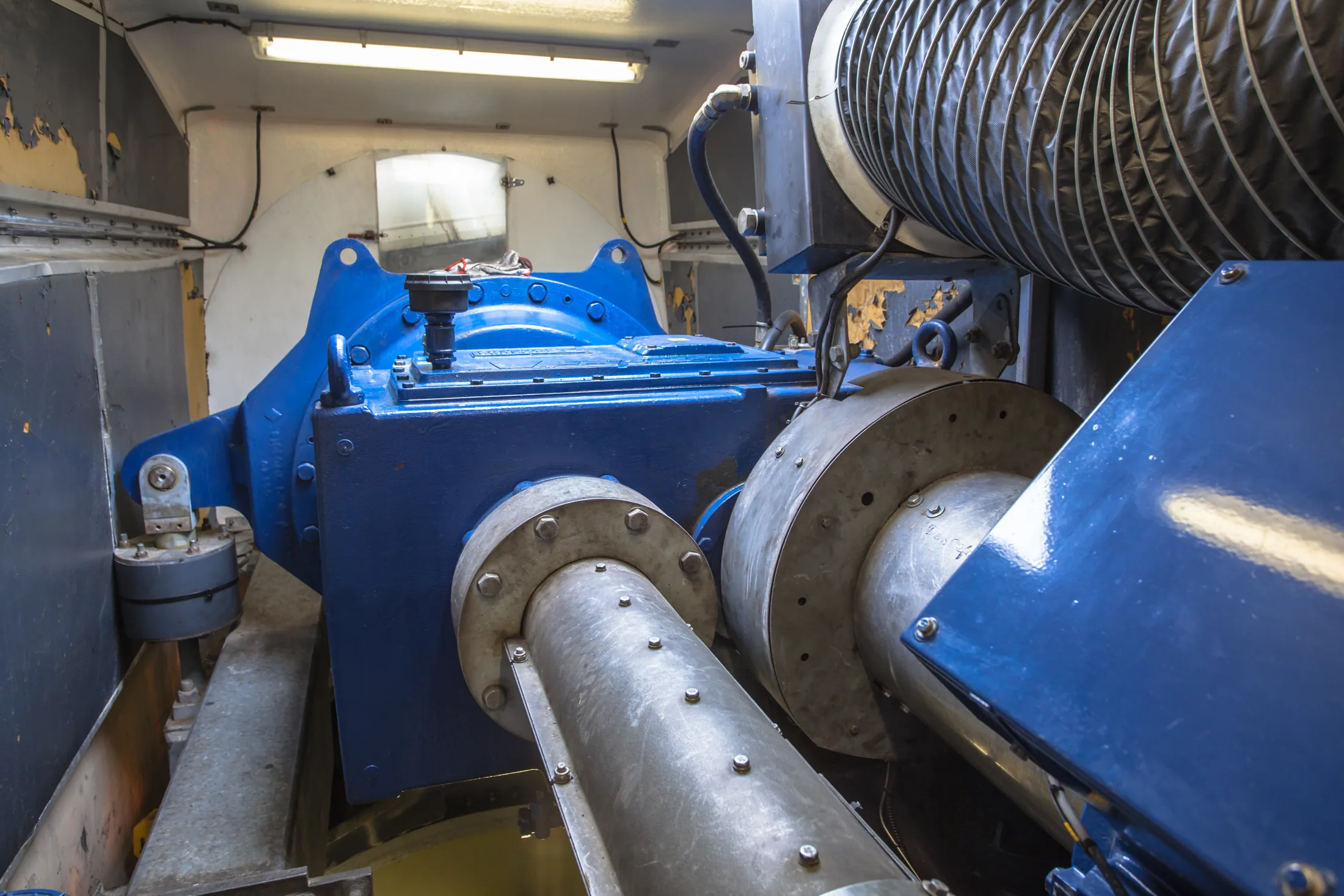
Practical thinking for cleaner, safer offshore turbine interiors
Evidence-led articles on biological contamination, confined-space cleaning, product selection and the maintenance decisions that sit between HSE, O&M and procurement.
Technical articles
Field notes for safer offshore turbine interiors
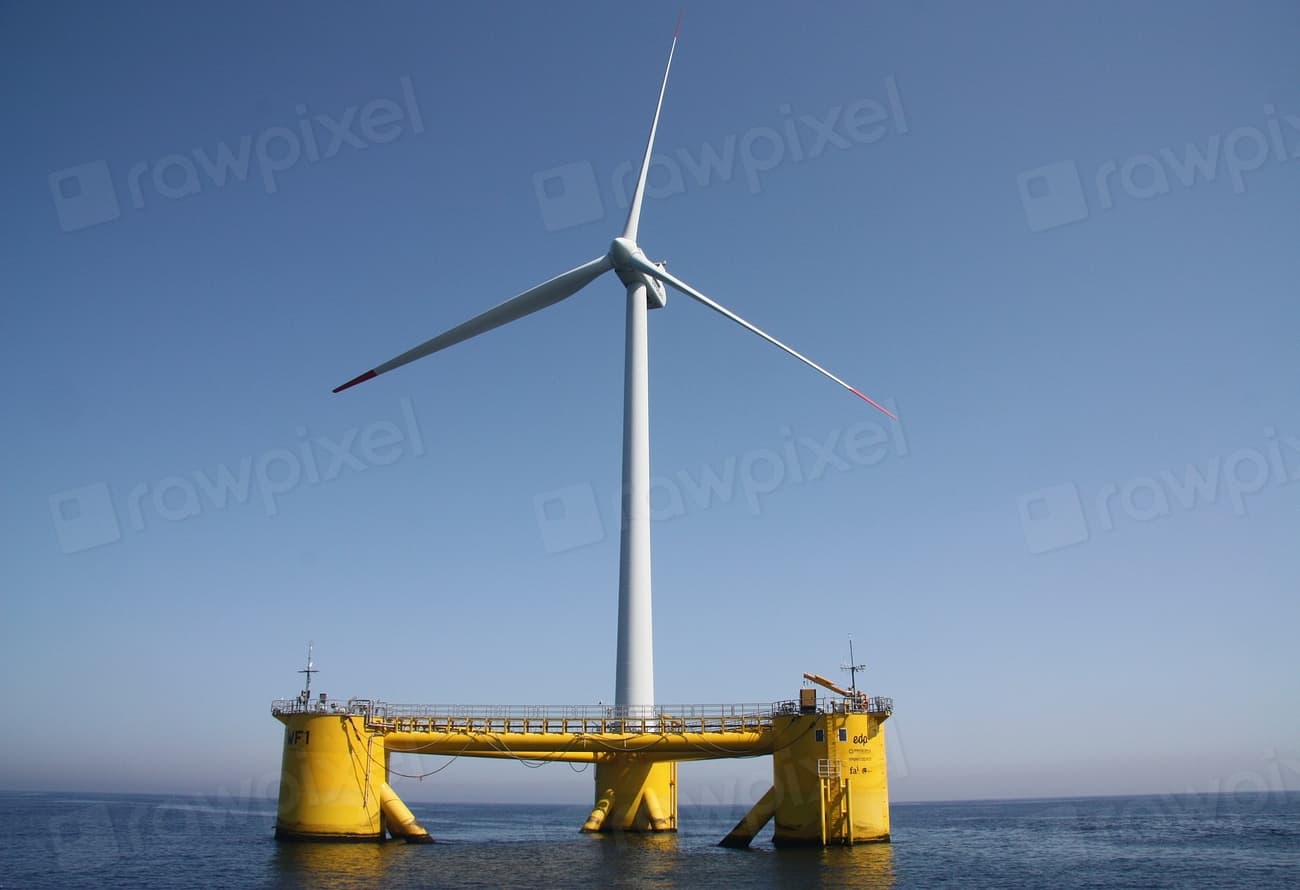
Wind Turbine Maintenance: Where Interior Contamination Fits
Interior contamination is the maintenance line item that gets skipped until it costs a weather window. Here is where it fits in an offshore wind turbine maintenance plan.
Francis Michael Hill
Founder and CEO
HSE
COSHH Risk Assessment for Wind Turbine Cleaning
A COSHH risk assessment for turbine cleaning is only as good as the questions behind it. Here is how to build one that holds up for confined offshore work.
Product Science
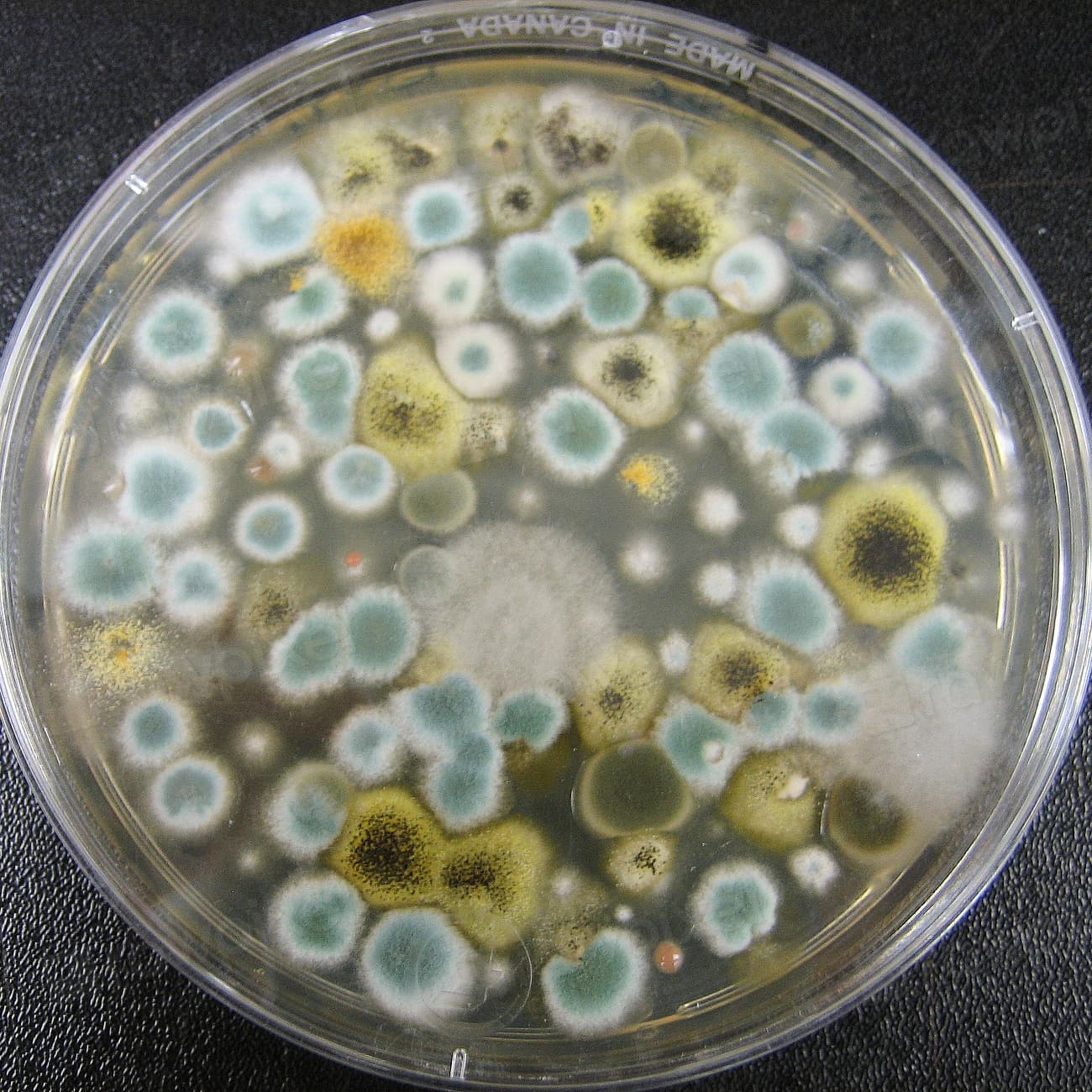
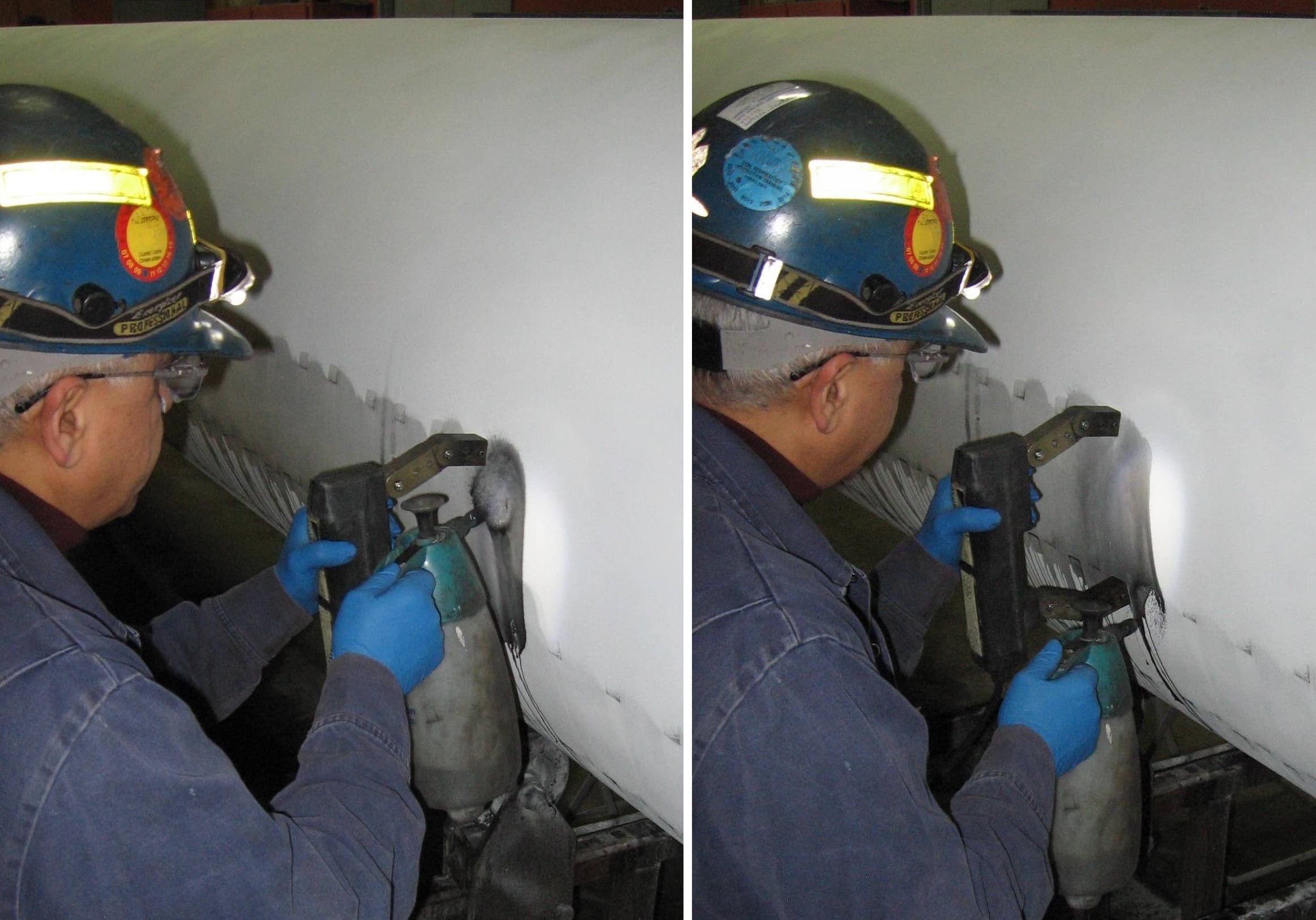
Mould in Wind Turbines: Why It Grows and How to Remove It
Mould inside a wind turbine is a symptom of the space, not an accident. Removing it is only half the job; stopping it returning is the other half.
Product Science
ISO 12944 Coatings and Cleaning Chemistry Offshore
Offshore turbine interiors are protected by ISO 12944 CX coatings. The cleaning chemistry used inside them has to respect that system, not undermine it.
HSE
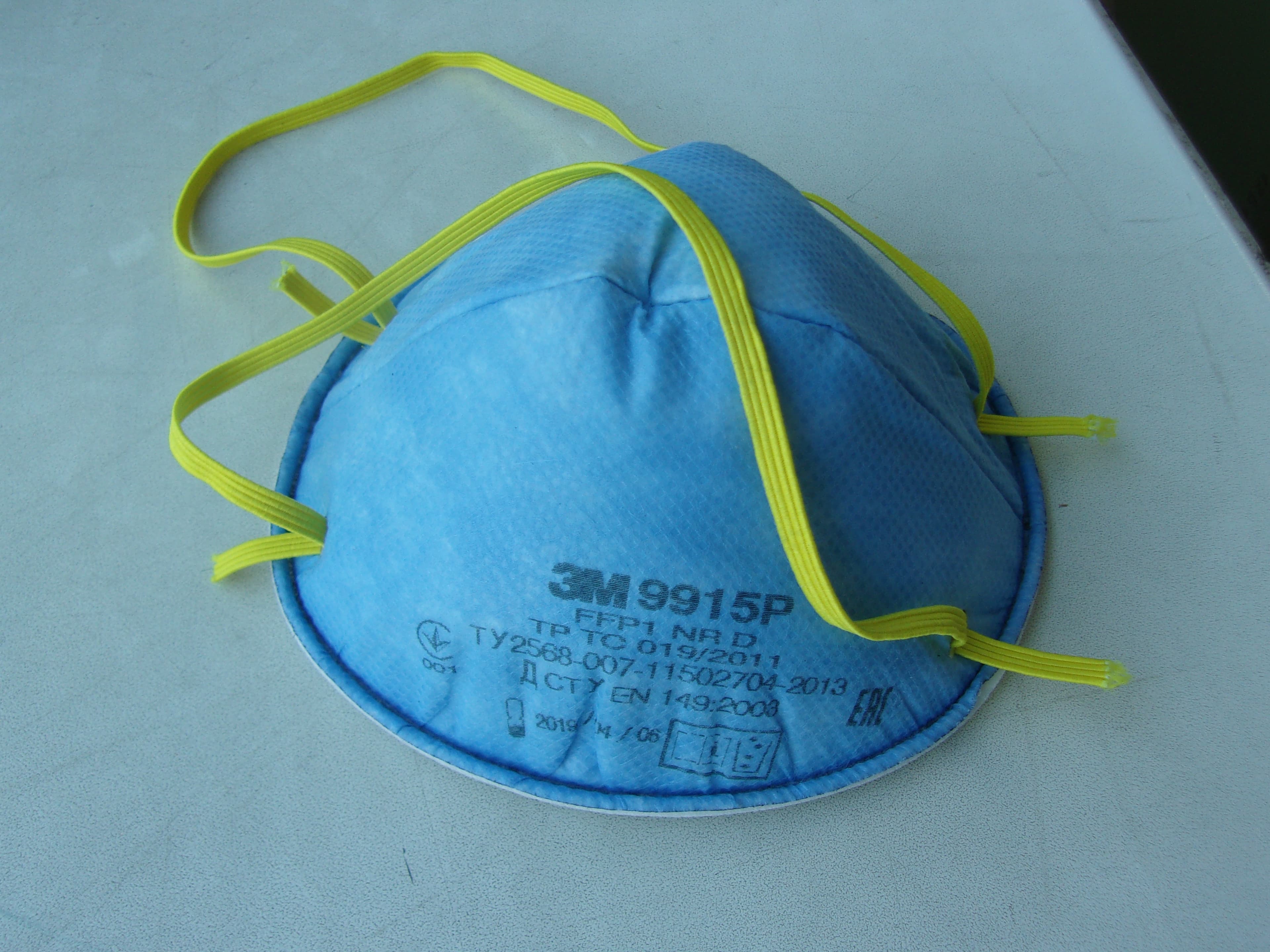
EH40 Workplace Exposure Limits and Confined-Space Cleaning
EH40 sets the exposure limits your cleaning products are measured against. In a confined turbine interior, those limits are where product choice stops being cosmetic.

Procurement
GB Biocidal Products Regulation for Offshore Wind Cleaning
If a cleaning product claims to kill mould or bacteria, biocidal regulation is in scope. Here is what the GB BPR means for antimicrobial cleaning in offshore wind.
Maintenance Strategy
Offshore Wind Turbine Maintenance Costs and Interior Cleaning
Offshore maintenance cost is measured in vessel days and technician hours, not litres of cleaner. That is exactly why the cleaning step is worth planning.
Product Science
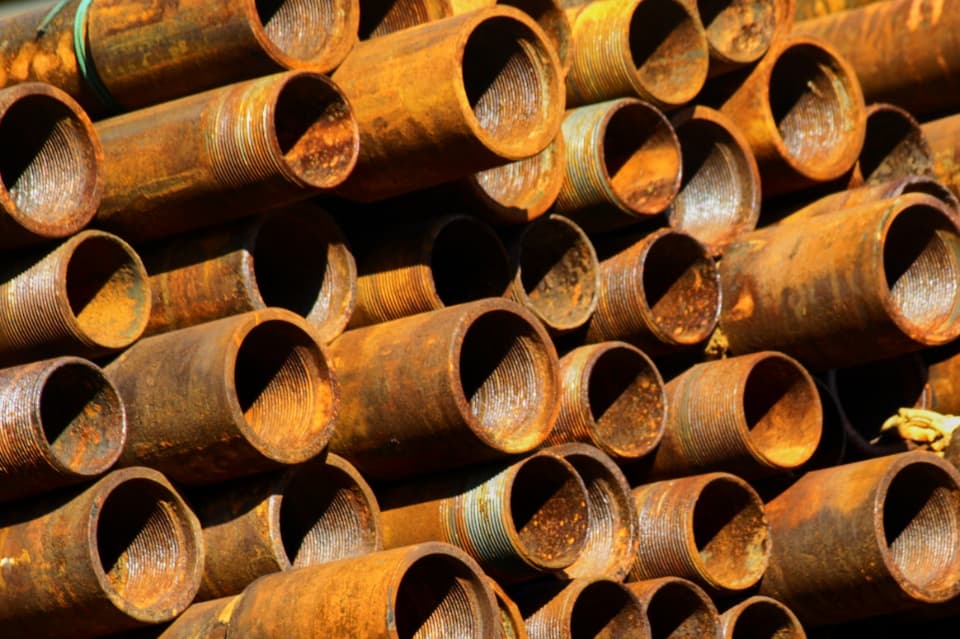
Microbially Induced Corrosion in Offshore Wind
Microbially induced corrosion is well evidenced in offshore wind foundations. Inside turbines the link is more cautious, but worth taking seriously.

Maintenance Strategy
Biological Contamination in Offshore Wind Turbines: The Hidden Hazard
An evidence-led guide to mould, mildew and biofilm risk inside offshore wind turbine interiors, with practical checks for HSE and O&M teams.
HSE
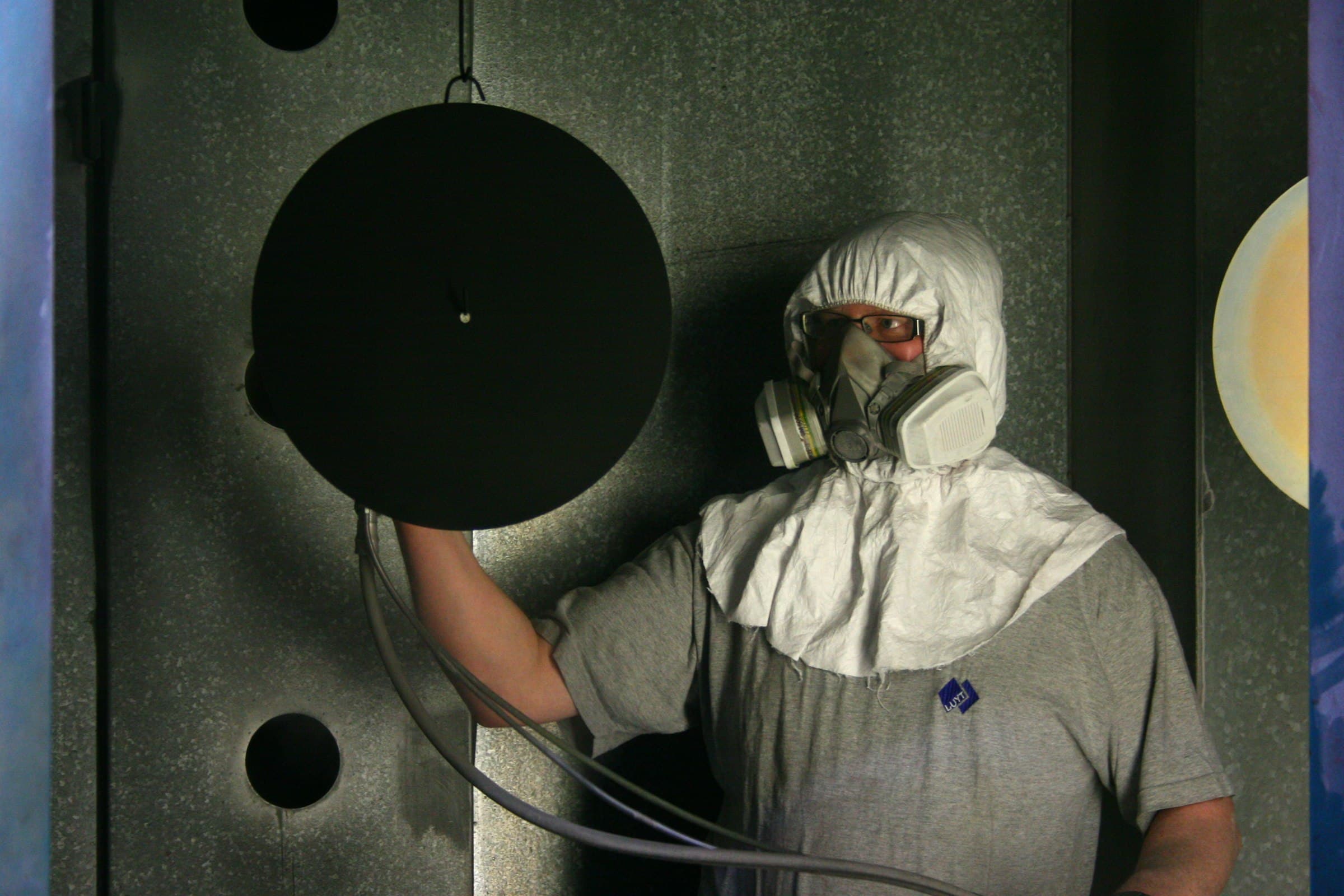
Wind Turbine Confined Spaces: COSHH and the Cleaning Chemistry Question
A practical hub for HSE leaders evaluating cleaning chemistry inside offshore wind turbine interiors, where the confined-space frame and COSHH must be applied together.
Product Science
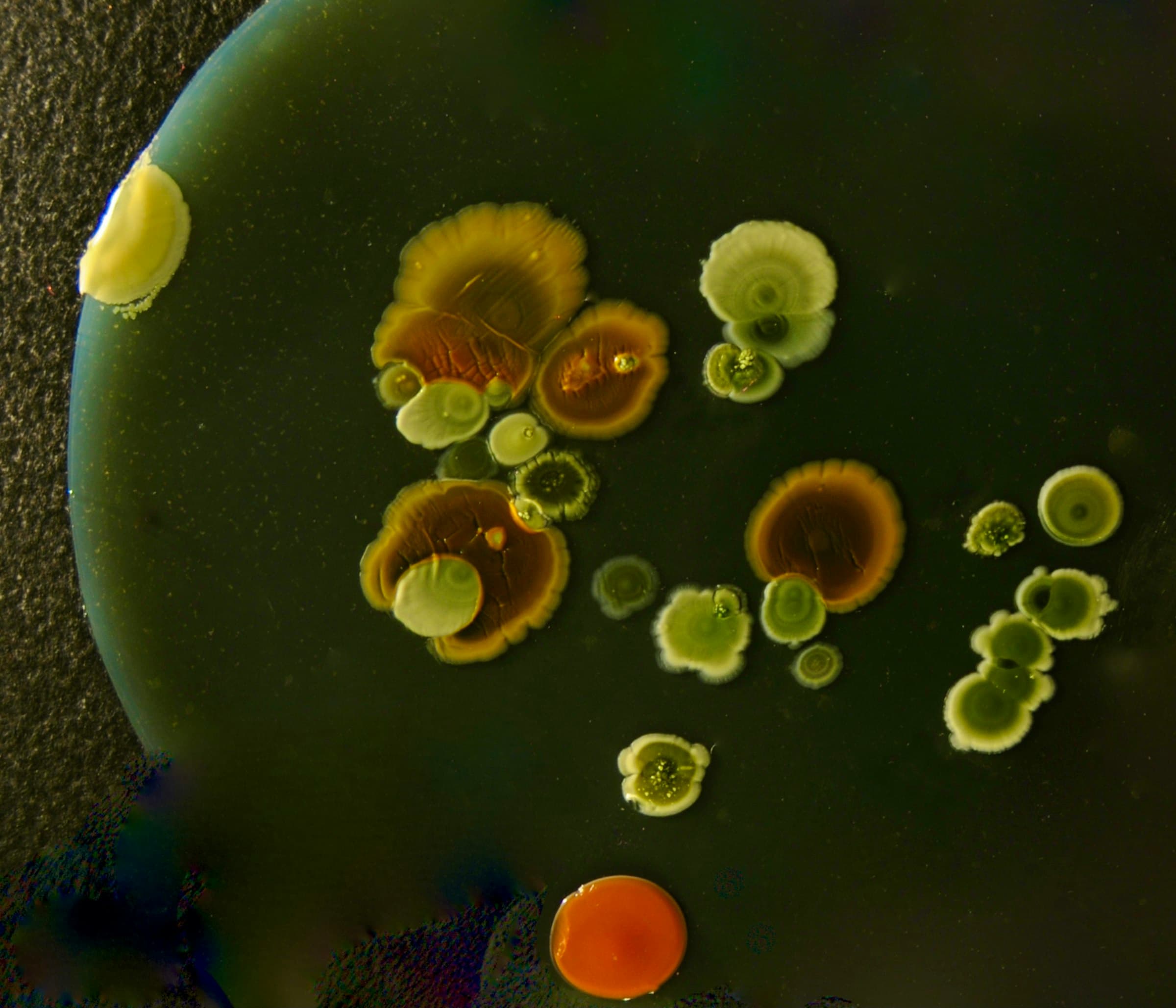
Antimicrobial Wind Turbine Cleaning vs Degreaser: Where Each Fits
A practical comparison for teams that already use degreasers but still need a plan for mould, mildew and biofilm inside turbine interiors.

HSE
COSHH Assessment for Wind Turbine Cleaning: What to Check Before a Trial
A practical pre-trial checklist for HSE, O&M and procurement teams reviewing confined-space cleaning chemistry for offshore turbine interiors.

Maintenance Strategy
Offshore Wind Turbine Cleaning Plan: A Method-Statement Framework
A method-statement framework for offshore O&M and HSE leaders specifying interior cleaning, without adding solvent fumes, transport friction or coating risk.
Author profiles
Written by the team building TurbineClean
Daniel Hill
Chief Marketing Officer
Daniel leads market education, positioning and commercial content for TurbineClean. His writing focuses on helping HSE, O&M and procurement teams understand the business case for safer turbine interior cleaning.
Francis Michael Hill
Founder and CEO
Francis founded TurbineClean to address a specific maintenance gap inside offshore wind assets. He writes about product direction, operator priorities and the practical realities of building specialist chemistry for renewable infrastructure.
Debra Hill
Operations Manager
Debra manages operational workflows, documentation readiness and customer support processes for TurbineClean. Her perspective centres on clear handovers, clean logistics and making technical adoption easier for site teams.