Mould in Wind Turbines: Why It Grows and How to Remove It
Mould inside a wind turbine is a symptom of the space, not an accident. Removing it is only half the job; stopping it returning is the other half.
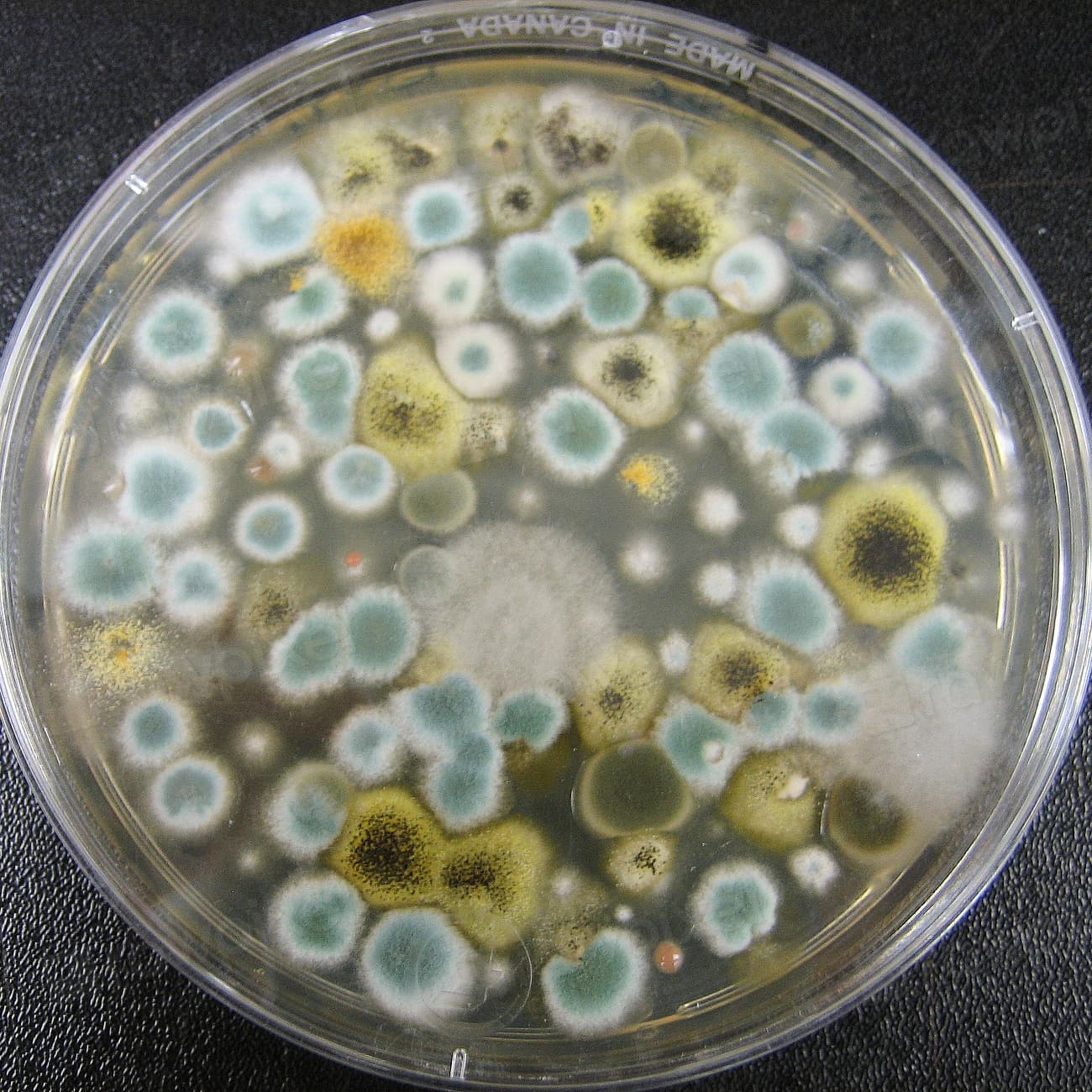
FMHFrancis Michael HillFounder and CEOMould inside a wind turbine looks like a housekeeping problem and behaves like a design consequence. The interior of an offshore turbine is warm, damp, poorly ventilated and left undisturbed for months, which is close to a specification for growing mould, mildew and biofilm.
That framing changes how you deal with it. If mould is a one-off mess, you scrub it and move on. If it is a predictable result of the environment, you plan for removal and for keeping it off between visits. This article explains why it grows, why it returns, and what actually removes it without creating a coating problem.
Lower exposure inside confined spaces
- Prioritise low odour and non-flammable chemistry.
- Keep SDS and COSHH notes ready before mobilisation.
- Treat visible growth as a worker exposure issue, not only a cleaning task.
Why mould grows inside turbines
Three conditions drive it: moisture, still air and time. Offshore interiors combine salt-laden humidity with limited ventilation, and the equipment inside adds heat. Between scheduled visits, surfaces sit undisturbed for months, so anything that can grow, does. Industry humidity guidance for offshore turbine towers has flagged condensation-related mould and corrosion as a real maintenance concern, particularly where structures meet damp air with little airflow.
The wider picture of what builds up inside a turbine is not only biological. Oil, grease and salt residue share the same surfaces, which is why mould often sits on top of a film that has to be removed first. Understanding the mix is the difference between treating the surface and just smearing it.
Why it keeps coming back
A single clean removes what is visible on the day. It does nothing about the conditions that grew it, so the surface recolonises and the next crew finds the same problem. This is the trap most interior cleaning falls into: effort is spent removing mould that returns on the same interval, and the record shows activity without progress.
Breaking that cycle needs a change in conditions as well as a clean. Dehumidification lowers the humidity and slows regrowth, but it does not remove what is already there. An antimicrobial treatment removes the contamination properly, so the surface starts from a genuinely clean baseline rather than a smeared one. The two are complementary, and the right mix depends on the asset, but doing neither is what keeps the problem on repeat.
Removal and prevention are two different jobs. A one-off scrub does the first and skips the second.
How to remove it without harming coatings
Turbine interiors are protected by anti-corrosion coating systems, so the cleaning product has to be effective against biology and gentle on the coating at the same time. A cleaner that strips or softens the coating solves a housekeeping problem and creates a far more expensive integrity one. That is why coating compatibility, not just kill performance, decides what is safe to use inside the asset.
The practical sequence is straightforward: degrease any oil or grease first, apply an antimicrobial treatment that kills mould, mildew and biofilm on contact, let it dwell, then record what was done. TurbineClean is built for that step, with a mild pH and compatibility across the interior materials, and the full removal-and-prevention approach is set out on the wind turbine mould removal page.
- Degrease first where oil or grease would block the treatment.
- Treat the moisture as well as the growth, or the same surface returns.
- Confirm coating and material compatibility before wide-area use.
- Record location and recurrence so repeat zones become visible.
Related TurbineClean Reading
FAQs
Why is there mould inside my wind turbine?+
Turbine interiors are warm, damp, poorly ventilated and undisturbed for long periods, which are the conditions mould, mildew and biofilm need. It is usually a predictable result of the environment rather than a one-off event, especially offshore where humidity and salt are higher.
How do you remove mould from a wind turbine?+
Degrease any oil or grease first, then apply an antimicrobial treatment that kills mould, mildew and biofilm on contact and rinse it off afterwards. Confirm the product is compatible with the interior coatings before wide-area use, and record what was done.
Why does turbine mould keep coming back?+
A one-off clean removes what is visible but does not change the damp, still conditions that grew it, so the surface recolonises before the next visit. Breaking the cycle needs a change in conditions, such as dehumidification, alongside cleaning on a sensible interval.
Will mould treatment damage turbine coatings?+
It should not, if the product is chosen for compatibility. TurbineClean is mildly alkaline at around pH 8 and compatible with epoxy and polyurethane coatings, composites, aluminium, rubber and galvanised surfaces, so it treats the biology without attacking the coating system.
Francis Michael Hill
Founder and CEO
Francis founded TurbineClean to address a specific maintenance gap inside offshore wind assets. He writes about product direction, operator priorities and the practical realities of building specialist chemistry for renewable infrastructure.
View author profileNext step
Share your current contamination challenge and we can help map the product evidence, safety data and practical approval steps.
Request technical data packMaintenance Strategy
Biological Contamination in Offshore Wind Turbines: The Hidden Hazard
An evidence-led guide to mould, mildew and biofilm risk inside offshore wind turbine interiors, with practical checks for HSE and O&M teams.
HSE
Wind Turbine Confined Spaces: COSHH and the Cleaning Chemistry Question
A practical hub for HSE leaders evaluating cleaning chemistry inside offshore wind turbine interiors, where the confined-space frame and COSHH must be applied together.
Product Science
Antimicrobial Wind Turbine Cleaning vs Degreaser: Where Each Fits
A practical comparison for teams that already use degreasers but still need a plan for mould, mildew and biofilm inside turbine interiors.